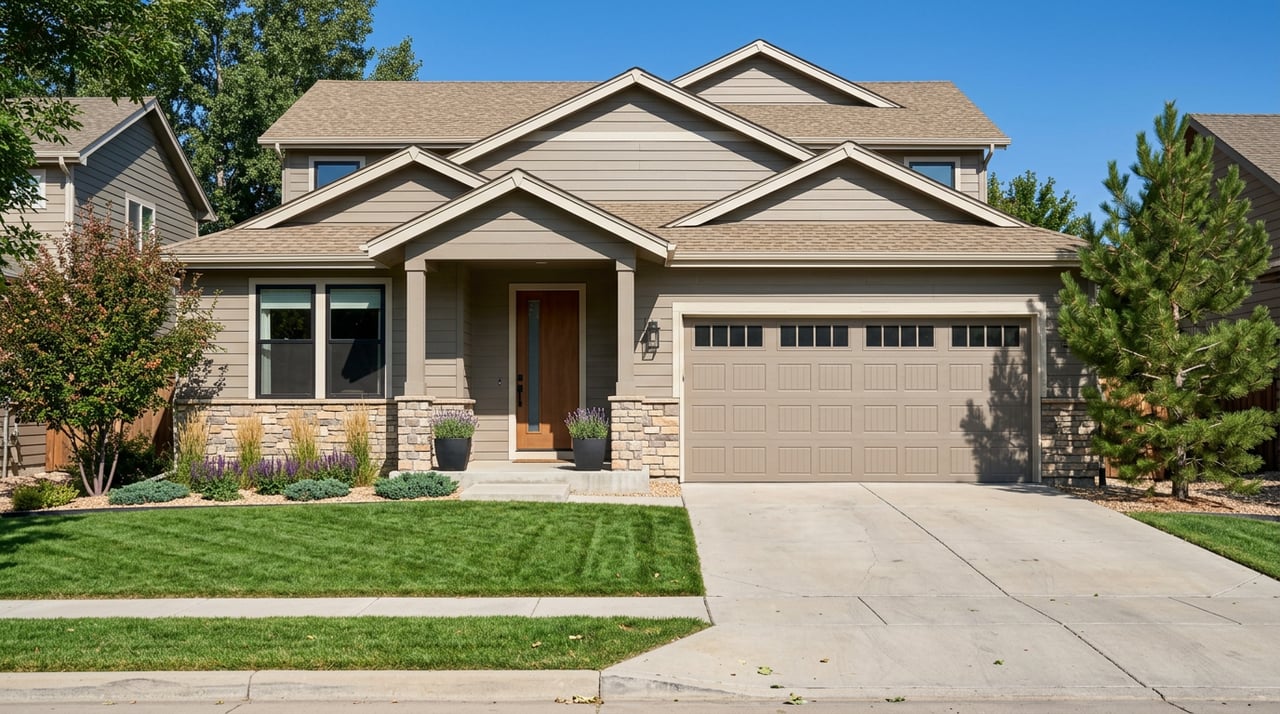
Buying your first home on Denver’s west side can feel exciting and a little overwhelming. You want a clear plan, straight talk on prices, and a path to a winning offer without taking on too much risk. You’ll find that here. This roadmap breaks down today’s West Denver and Jefferson County market, what you can afford, and the exact steps from pre‑approval to keys. Let’s dive in.
Market snapshot: early 2026
As of January 2026, the Denver metro sits in a more balanced market than the 2020–2022 peak. Inventory is higher, homes take longer to sell, and buyers have a bit more room to negotiate. City-of-Denver median prices are tracking in the mid‑$500ks, with sources reporting roughly 565,000 to 575,000 for January. Days on market often run several weeks, and sale-to-list ratios hover below 100% in many segments, which supports thoughtful offer strategies rather than snap decisions.
Mortgage rates matter to your plan. In February 2026, national 30‑year fixed averages moved near or just below 6%, which improves affordability compared to 2024–2025 highs. Rate swings can affect how fast lenders move and how appraisals land, so stay in close contact with your lender when you write.
Where your dollars go in West Denver
Prices change street by street, and by property type. Use these ranges as directional guideposts, then confirm with neighborhood comps when you’re ready to write an offer.
Inner‑west neighborhoods
- Highlands, LoHi, Sloan’s Lake, Berkeley, and Sunnyside often price above the city median for single‑family homes.
- In January 2026 snapshots, single‑family medians in Sloan’s Lake, Sunnyside, and Berkeley often appeared in the $800k+ band. Townhomes and condos can offer a lower entry point but come with HOA dues.
Jeffco suburbs nearby
- Lakewood, Wheat Ridge, and parts of Arvada typically offer more approachable entry points than the inner‑west pockets. Lakewood medians often sit in the mid‑$500ks, while many Wheat Ridge and Arvada areas show values in the $500k–$650k band. Neighborhoods inside each city vary widely.
- Golden and foothill‑adjacent areas trend higher and can have slower turnover.
Segment differences to watch
- Attached homes, like condos and townhomes, often stay on the market longer than detached single‑family homes.
- The sub‑$750k band can be the most competitive for well‑located homes, so have your pre‑approval and timing dialed in if you’re targeting this range.
Your first‑time buyer roadmap
This is the sequence most West Denver and Jeffco first‑timers follow, plus common local timing.
Step 1: Get fully pre‑approved
- Aim for a written pre‑approval or pre‑underwriting from a lender active in Denver and Jefferson County. Plan 2–4 business days once you submit documents.
- If you hope to use down payment assistance, confirm your lender participates. Some programs require approved lenders.
Step 2: Nail down your budget
- Budget for more than the purchase price. Estimate buyer closing costs at about 2%–5% of the price. Ask your lender for a Loan Estimate so you know your full cash-to-close.
- Keep a cushion for inspection items, especially with older homes common on the west side.
Step 3: Tour with a plan
- Compare HOA rules, dues, and metro district taxes if you’re eyeing townhomes or newer builds. Special districts add to your annual tax bill.
- Check commute routes, light rail, and bike access. Review school boundary maps if that matters to you, using official district tools for the most current data.
- Plan to test for radon during your inspection. Elevated levels are common in Colorado and are usually addressed with a standard mitigation system.
Step 4: Write a smart offer
- Local sellers respond to clean terms, short but realistic inspection windows, meaningful earnest money, strong pre‑approval, and flexible closing or possession.
- Earnest money is commonly about 1% of the price in the Denver area, delivered within 1–3 days of contract acceptance. In competitive scenarios, some buyers offer more.
- Inspection windows are often 7–10 days, though you can tighten to 3–5 days if you have inspectors lined up. Shorter is stronger, as long as it is feasible.
- Appraisal deadlines often land in the first 1–3 weeks. If value comes in low, you can object within your deadline and negotiate. Some buyers use a capped appraisal‑gap clause to stay competitive without waiving all protections.
- Financing deadlines, like loan commitment or new‑loan termination, often fall around day 21–30 from acceptance. Your lender’s readiness controls how tight you can run.
Step 5: Inspections, negotiations, and underwriting
- Book your general inspection and radon test right after acceptance. On older homes, add a sewer scope. If issues surface, submit an Inspection Objection by deadline and negotiate repairs or credits.
- Appraisal and underwriting run in parallel. Lenders will ask for clear title and an insurance binder before final approval. Keep an eye on every date in the contract. In Colorado, those deadlines control your rights.
Step 6: Closing day
- Most financed purchases close in 30–45 days. Cash or fully pre‑underwritten files can close faster.
- Plan a final walk‑through to confirm condition and agreed repairs.
Example 40‑day timeline
- Day 0: Offer accepted, earnest money due within 1–3 days.
- Day 1–3: Schedule general, radon, and sewer inspections.
- Day 7–10: Inspection Objection due. Negotiate repairs or credits.
- Day 14–21: Appraisal due. If low, use Appraisal Objection and Resolution windows.
- Day 21–30: Loan commitment or termination deadline.
- Day 30–40: Final clear-to-close, walk‑through, and closing.
West‑side due diligence that pays off
- Radon: Test during inspection. If results meet or exceed 4.0 pCi/L, mitigation is recommended by public health guidance.
- Sewer lines: Many older blocks have clay or cast-iron lines. A scope can save you from a costly surprise.
- Roofing and hail: The metro can see hail. Ask about roof age and insurance claim history. Get quotes early if the roof looks aged.
- Metro districts: Newer developments may carry special district taxes. Review title work and seller disclosures for district obligations so you understand your total monthly cost.
- Older systems: Early‑20th‑century homes can have unique items like older electrical, foundation settling, or past stucco repairs. Plan specialist inspections when needed.
Compete without giving up protections
You can write a strong offer without waiving every contingency. Consider these middle‑ground moves:
- Shorten the inspection window and pre‑schedule inspectors so you look decisive and reliable.
- Use a capped appraisal‑gap amount to handle modest shortfalls while keeping an appraisal objection in place.
- Increase earnest money to signal commitment, but keep financing and appraisal protections intact. Pair this with a strong pre‑approval or pre‑underwriting letter.
- Offer flexibility on closing and possession to meet the seller’s plans.
Quick checklist for first‑timers
- Get a written pre‑approval from a local lender and confirm eligibility for assistance programs you plan to use.
- Save for earnest money and 2%–5% in closing costs, plus a repair reserve.
- Tour target neighborhoods and review HOA, metro district, and recent tax bills for any finalist.
- When under contract, order general, radon, and sewer inspections immediately.
- Track every Colorado contract deadline in your calendar and send notices in writing.
High‑value resources
- Colorado Housing and Finance Authority: state first‑time buyer loans and down payment assistance. Explore CHFA programs.
- metroDPA: City and County of Denver’s down payment assistance program. See metroDPA details.
- REcolorado: local MLS market trends and monthly reports. View REcolorado market trends.
- Property taxes explained: how Colorado assessments and mill levies work. Colorado Division of Property Taxation.
- Radon guidance: testing and mitigation best practices for Colorado homes. Colorado Dept. of Public Health & Environment.
- Mortgage rate benchmark: weekly national averages. Freddie Mac PMMS.
Common red flags
- Incomplete seller disclosures or delays providing HOA, title, or metro district documents.
- Recurring water intrusion, shifting foundations, or sewer issues without firm bids to fix.
- Roofs near end-of-life or insurance challenges after hail events.
- Large special district obligations that raise your total monthly payment more than you expected.
Buying your first home should feel steady, not rushed. When you have clear numbers, a tested process, and an advocate who knows every deadline, you can move with confidence in West Denver and Jeffco. If you want a calm, hands‑on guide who prioritizes your goals and brings negotiation strength to the table, reach out to Brian Grace. Let’s start with a conversation about your home.
FAQs
What is a realistic first‑home price in West Denver in 2026?
- City-of-Denver medians sit in the mid‑$500ks, but inner‑west single‑family homes often run higher while nearby Jeffco suburbs offer more entry‑level options. Confirm with neighborhood comps by property type.
How long does it take to close on a Denver home?
- Most financed purchases close in 30–45 days from acceptance. Cash or fully pre‑underwritten files can close faster if title and HOA documents are ready.
How much earnest money should I expect to put down?
- Earnest money is commonly about 1% of the price in the Denver area, delivered within 1–3 days after acceptance. Competitive offers sometimes use higher amounts to signal commitment.
What Colorado contract deadlines matter most to a buyer?
- Inspection Objection, Appraisal Objection, and Loan Commitment or New‑Loan Termination are key. Missing a deadline can limit your options, so set calendar reminders and send all notices in writing.
Should I test for radon in West Denver and Jeffco?
- Yes. Elevated radon is common in Colorado. Test during your inspection and plan mitigation if results meet or exceed 4.0 pCi/L, per public health guidance.
