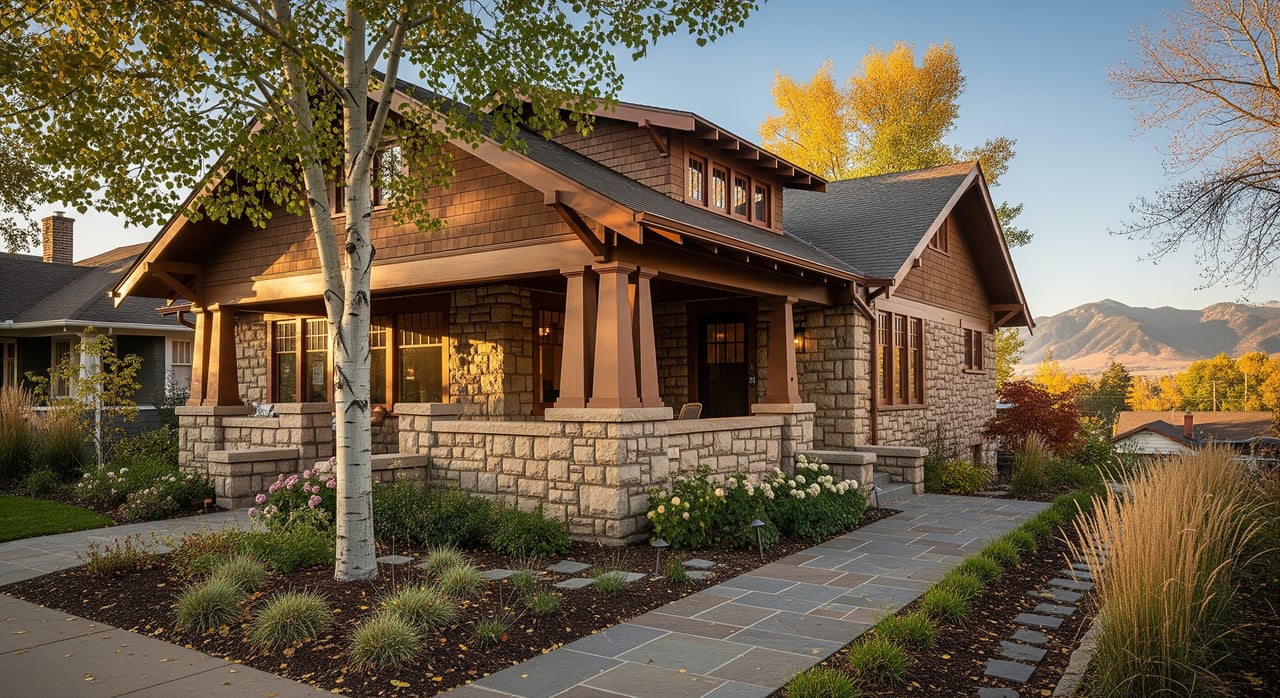
Thinking about selling your 1940s–1960s Wheat Ridge bungalow but not sure where to price it? You are not alone. These homes are beloved for their charm, yet pricing can get tricky once you factor in lot size, alley and garage access, basement finish, and how your updates compare to nearby remodels. In this guide, you will learn a clear, local process to price your bungalow with confidence, using the right comps and a disciplined strategy that matches buyer expectations. Let’s dive in.
Why Wheat Ridge bungalows are unique
Wheat Ridge has many single-story bungalows and modest ranches from the 1940s to the 1960s. Buyers love them for single-level living, good yards, and character details like porches and original woodwork. Typical buyers include first-time buyers, downsizers, and move-up owners who want a home with personality they can refine.
Before you land on a price, check local signals such as inventory, days on market, recent sale trends, interest rates, and any nearby new construction that might compete with remodeled bungalows. Because preferences vary block by block, neighborhood-level comparables matter more here than citywide stats.
What drives value in mid-century bungalows
Location and lot
Start with the block and nearby amenities. Then look at lot size and shape, which affect how usable the yard feels and whether future additions make sense. Corner lots can help curb appeal yet sometimes reduce private yard area compared to interior lots.
Garage and alley access
Many older Wheat Ridge homes include alley access and detached garages. Alley access can preserve curb appeal and yard usability. A garage adds meaningful value for secure parking and storage, and attached garages are generally viewed as more convenient.
Size and layout
Compare gross living area above grade and note any finished basement space with legal egress. Bedroom and bathroom count has outsized influence in smaller homes. Functional flow also matters, whether the plan is open or more compartmentalized.
Condition and finishes
Assess kitchens, bathrooms, flooring, windows, roof, and mechanical systems like HVAC and the electrical panel. Quality and permit status count. Buyers respond to well-executed updates, especially in kitchens and baths, but they often weigh system health just as much as cosmetics.
Additions and permits
Permitted remodels typically carry more value and reduce sale friction. Non-permitted work often triggers buyer hesitation and can force remedies. Verify the status for any addition, conversion, or basement finish.
Curb appeal and exterior
Siding, porch condition, landscaping, decks, and fences shape first impressions. Clean, well-kept exteriors and simple yard improvements can widen your buyer pool.
Energy efficiency and systems
Upgraded windows, insulation, and efficient HVAC are increasingly important to buyers. They will not always return dollar-for-dollar, but they can improve perceived value and reduce negotiation risk.
How alley access and garages impact price
Alley access is common in Wheat Ridge bungalows and can improve lot usability by keeping driveways and curb cuts out of the front yard. A detached alley garage can be a plus for buyers who want more yard and storage. Still, narrow or poorly maintained alleys can be a drawback, so note actual access and condition.
Treat garage and parking as a primary adjustment in comps. Compare like to like when you can. If your bungalow has no garage, adjust against comps that do. If yours has an attached garage and a comp has a detached one, reflect the convenience difference. Always verify permits, plat details, and any alley easements.
Updates vs original charm: choose your lane
Two buyer groups often overlap in Wheat Ridge. Some want turnkey, while others want original character with good bones. The right pricing lane depends on how your home stacks up to recent sales.
- Low-investment refresh. Target paint, lighting, minor landscaping, and tune-ups if your systems are sound. These changes can widen appeal without heavy costs.
- Selective functional upgrades. Modest kitchen improvements, updated bath fixtures, or system updates can move you closer to remodeled comps, even if not dollar-for-dollar. Kitchens and baths carry outsized weight in small bungalows.
- Price original condition with intention. Remodeled comps set a ceiling. If you are not upgrading to that level, price below remodeled sales and position the home as a character-rich opportunity.
If you consider larger projects, consult impartial cost-versus-value references and local contractors to weigh expected price lift against spend and timing.
A step-by-step comp plan for Wheat Ridge bungalows
- Pull a first-pass comp set
- Use the most recent 3 to 12 months of closed sales, depending on market activity.
- Start within the same neighborhood or within a 0.25 to 1 mile radius.
- Cross-check MLS details with county sales records when possible.
- Filter for the right attributes
- Same vintage where possible, especially 1940s to 1960s.
- Similar gross living area above grade and a comparable floor plan.
- Similar lot size and garage or parking setup, with extra attention to alley access.
- Comparable condition level or clear notes about remodel scope.
- Weight your comps
- Give the most weight to sales closest in location and most similar in garage, lot, and bed-bath count.
- If your home is remodeled, prioritize remodeled comps. If it is largely original, prioritize original-condition comps.
- Make qualitative adjustments
- Focus on big-ticket differences: usable lot size, garage type, finished basement area, kitchen and bath level, mechanical system age, and permit status.
- Categorize gaps as minor, moderate, or major to keep your adjustments consistent.
- Be careful with price per square foot, especially in small homes or when basement finishing varies.
- Adjust for time and trends
- If sales are months apart in a changing market, apply a time adjustment based on local trend data. When in doubt, consult a local appraiser or a current market report.
- Set a defensible price range
- Lower end: priced to compete for a quick sale.
- Midpoint: reflects market value for your actual condition and features.
- Upper end: realistic ceiling based on nearby remodeled comparables, if your finishes and permits align.
- Validate before you list
- Consider a pre-listing inspection to reduce surprises.
- Verify permits for any addition or major remodel.
- Ask a trusted listing agent or appraiser to sanity-check your range.
A simple comp checklist you can use
Create a one-page sheet for each comp:
- Address and sale date
- Sale price
- Gross living area above grade
- Finished basement square footage and egress status
- Lot square footage and lot shape
- Garage type and alley access
- Kitchen and bath status: original or updated
- Permits verified: yes or no
- Days on market and any seller concessions
Seller actions by scenario
- Original condition
- Refresh paint, lighting, and landscaping. Disclose system ages. Price against original comps and note upgrade potential.
- Partially updated
- Tighten punch-list items. Consider targeted kitchen or bath improvements that comps show buyers reward. Price near similar-level updates.
- Fully remodeled with permits
- Lean on recent turnkey comps and keep presentation high. Watch days on market to avoid overreaching at the top of the range.
Use nearby remodel comps wisely
Remodel comps show the neighborhood’s ceiling for turnkey product. They are not one-to-one matches if you have original finishes. If you recently remodeled with permits at a similar quality, those are your primary comps. If not, price slightly below that ceiling or complete targeted updates that buyers value most.
Watch days on market for remodeled sales. Quick sales can signal strong appetite at the top end. If remodeled sales linger, it may mean buyers are price sensitive or that supply is catching up.
Set your price range with confidence
Translate your comp set into a clear band. The lower end invites strong early activity and can reduce negotiations. The midpoint reflects fair market value for your actual condition. The upper end is possible if your finishes and permits line up with top remodels and local demand supports it.
Tie your launch plan to the price. Professional photography, accurate floor plans, and staging guidance help buyers process small-footprint homes. Clear disclosures on systems and permits build trust and can protect your price.
Pitfalls to avoid
- Relying on price per square foot without normalizing for finished, legal space.
- Ignoring garage and alley differences when choosing comps.
- Overlooking time adjustments in a changing market.
- Assuming non-permitted work adds the same value as permitted work.
- Pricing like a remodel without matching finishes and permits.
Ready to talk through a pricing range for your Wheat Ridge bungalow and a launch plan that fits your goals? You get a hands-on partner who brings a disciplined comp process, professional marketing, and negotiation expertise to every listing. Call Brian — start with a conversation about your home at Brian Grace.
FAQs
How should I price a Wheat Ridge bungalow with original charm?
- Market to buyers who value authenticity, disclose system ages, consider targeted updates or credits, and price against original-condition comps rather than full remodels.
How much does a garage add to a Wheat Ridge bungalow?
- Treat secure off-street parking as a moderate-to-major factor and adjust based on local norms, garage type, and alley access using nearby comparable sales.
Should I finish my basement before listing a Wheat Ridge home?
- Only if permitted finishing is feasible and the expected price lift exceeds costs and time; otherwise, stage the space well and price competitively.
What if my Wheat Ridge bungalow has non-permitted work?
- Disclose it and consult the City and an appraiser; non-permitted additions can reduce marketability and may require remedies or impact appraised value.
How many comps do I need to price a Wheat Ridge bungalow?
- Aim for 6 to 12 recent, nearby closed sales with similar key features; expand radius or timeframe only if inventory is thin and note the limits.
