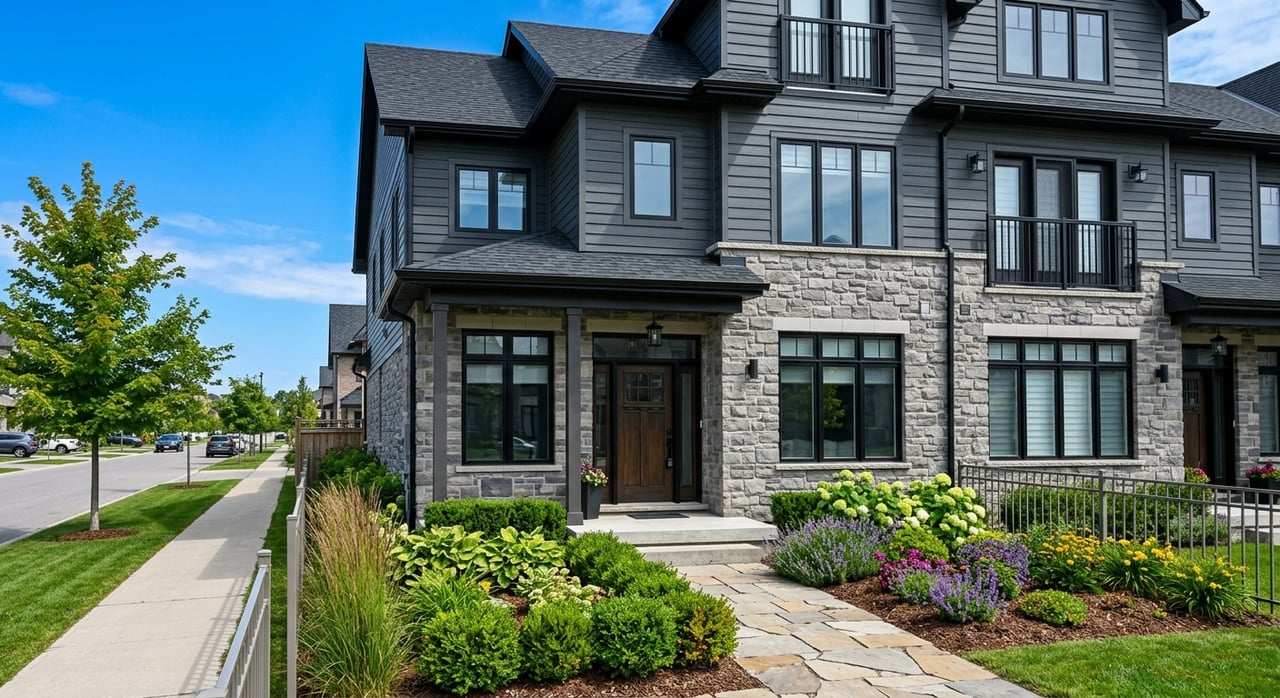
Thinking about a move to Littleton? You are not alone. For many buyers, Littleton stands out because it offers a practical mix of housing choices, real commuting options, and the kind of everyday lifestyle that can make a relocation feel easier once the boxes are unpacked. If you want a clear picture of what living here actually looks like, this guide will walk you through housing, commute patterns, and daily life in Littleton. Let’s dive in.
What Littleton Feels Like
Littleton works well for people who want a suburb with more than one way to live. It is a mostly built-out South Metro city with a housing mix that includes detached homes, duplexes, townhomes, patio homes, condos, apartments, and planned developments.
That matters if you are relocating and trying to balance budget, space, and convenience. The city’s 2019 housing study found that just over half of Littleton’s housing stock was single-family detached, while 47% was attached, which gives you more flexibility than many suburban markets.
Housing Options in Littleton
If you picture a classic suburban home with a yard, Littleton has plenty of that in its established residential areas. Detached-home shoppers will usually find the broadest selection in those traditional neighborhoods.
If you want lower-maintenance living, Littleton also gives you meaningful attached-home options. Townhomes, condos, duplexes, patio homes, live/work units, and smaller-lot detached homes are part of the city’s land-use vision, especially in areas north of Littleton Boulevard and around the downtown transition zones.
For many relocation buyers, that range is one of Littleton’s biggest strengths. You can look for a more conventional suburban setup, or you can focus on places that put you closer to downtown, trails, or transit.
Detached Homes
Detached homes are still the largest share of the local housing stock. If your priorities include more interior space, a private yard, or a traditional neighborhood pattern, this is often where your search starts.
Because Littleton is largely built out, inventory can vary a lot by block, home age, lot size, and updates. In practical terms, two homes at similar price points may offer very different tradeoffs depending on location and condition.
Condos and Townhomes
Condos and townhomes can be especially appealing if you want a simpler day-to-day routine or a lower entry point than a detached home. In Littleton, buyers often focus on downtown-fringe, mixed-use, and transit-adjacent areas where attached housing already fits the city’s pattern.
That can be a smart route if you value proximity to rail, dining, and errands over lot size. It can also help if you are moving from a more urban market and want to keep some walkability in your daily routine.
Pricing Context
As a broad citywide snapshot, Redfin reported a median sale price of $635,000 in Littleton in March 2026. That is useful as a starting point, but it is only a snapshot and can vary significantly by property type, age, lot size, and location.
For relocation planning, the better question is not just, “What is the median price?” It is, “What does my budget buy in the part of Littleton that fits how I want to live?”
Commutes in Littleton
Commute planning is one of the first things most relocation buyers want to sort out, and Littleton has several strong transportation anchors. The city points to I-25, C-470, South Santa Fe Drive, and RTD rail and bus service as major parts of the local commute picture.
The city also describes Littleton as about 20 minutes from Downtown Denver. Actual travel time will vary with your start point, destination, time of day, and whether you drive, take rail, or mix both.
RTD Rail Access
Littleton’s rail story centers on the D Line. RTD’s current D Line serves Littleton/Downtown Station and Littleton/Mineral Station, with service running between Union Station and Littleton-Mineral Station.
For many buyers, that creates a practical option for commuting without driving the full distance. If rail access is high on your list, homes near either station are worth close attention.
Both stations also function as park-and-rides with paid parking. RTD lists 361 spaces at Littleton/Downtown and 1,227 spaces at Littleton/Mineral, which can be useful if you prefer to drive part of the way and take rail the rest.
Bus and FlexRide Options
Littleton/Downtown Station currently serves bus routes 30, 36, 59, and 66. Littleton/Mineral serves route 402L, and both stations also list FlexRide service.
The city’s transportation planning also identifies bus corridors on Broadway, Federal Boulevard, Lowell Boulevard, Bowles/Littleton Boulevard, Ridge Road, Mineral Avenue, South Santa Fe Drive, and County Line Road. RTD’s South Jeffco FlexRide serves Littleton between Santa Fe Drive and E-470.
For relocation buyers, that means the best commute location is not always the closest house to the highway. Sometimes the right fit is along a corridor that gives you more than one way to get where you need to go.
Future Transit Improvements
Littleton is also studying mobility improvements. The Broadway Corridor Study says the city is looking at transit upgrades that would reduce bus delays and help support future bus rapid transit.
That does not change your commute tomorrow, but it does show an ongoing focus on improving access and movement through the city. If you are planning a longer-term move, that kind of infrastructure attention can matter.
Daily Life in Littleton
A relocation decision is about more than the house and the drive to work. You also want to know what a normal Tuesday looks like, what you can do on a Saturday morning, and whether the city makes it easy to stay active and connected.
In Littleton, daily life tends to be shaped by three major strengths: downtown activity, strong trail access, and a well-developed parks and open-space network.
Parks, Trails, and Outdoor Routine
Littleton says it has more than 1,400 acres of parks and open space and over 200 miles of trails, most maintained through South Suburban Parks and Recreation. If outdoor access is part of your routine, that is a meaningful asset.
The trail network includes the High Line Canal, Mary Carter Greenway, Big Dry Creek, C-470 Trail, and Lee Gulch. Planning documents highlight the Mary Carter Greenway as a strong option for commuting and longer weekend rides, which is a big plus if you like to bike or want a car-free stretch for exercise.
South Platte Corridor
The South Platte corridor is one of Littleton’s standout lifestyle features. The city ties together the South Platte River, South Platte Park, Carson Nature Center, and the Mary Carter Greenway as part of one connected river corridor.
For many buyers, that translates into an easy outdoor routine close to home. You can build walks, rides, and nature access into everyday life rather than saving them for a special trip.
Hudson Gardens and Ketring-Gallup Park
Hudson Gardens sits on South Santa Fe beside the South Platte River and is described by the Littleton Museum as a 30-acre garden with trail access from the Mary Carter Greenway. That makes it a simple stop for a walk, a ride, or a relaxed weekend outing.
Ketring-Gallup Park is another key local asset. Near Bemis Public Library and the Littleton Museum, the park covers about 55.5 acres and includes Ketring Lake, trails, public art, and parking.
If your ideal relocation includes nearby green space without giving up suburban convenience, these areas are worth knowing.
Downtown Littleton Lifestyle
Downtown Littleton is the city’s clearest walkable lifestyle zone. Around Main Street, you will find a mix of shopping, food and beverage, arts, entertainment, services, and recurring community events.
That gives Littleton a different feel than a suburb where everything depends on a car trip to a shopping center. If you like the idea of a historic core with places to eat, browse, and spend time, downtown is a major draw.
Events and Weekend Rhythm
The city events calendar lists recurring programming such as the Downtown Littleton Block Party & Little Jam, Meet Greet & Eat, and Illuminate Littleton. Downtown also has seasonal programming like a farmers market, along with recurring shopping and nightlife events such as Final Fridays.
For a relocation buyer, this helps answer a simple but important question: will there be things to do close to home? In Littleton, the answer is often yes, especially if you want a weekend routine that does not require leaving the neighborhood.
Walkability and Access
The city is actively studying downtown mobility and streetscape improvements to make walking, biking, transit access, parking, and wayfinding easier in the core. That ongoing work reflects how central downtown is to Littleton’s identity.
Just south of downtown, Arapahoe Community College also adds another anchor near the core and supports daytime activity in the area. Together, these pieces help create a downtown that feels active beyond just evenings and weekends.
Where Relocating Buyers Often Focus
When you are narrowing your search, it helps to match your home search to your real priorities. In Littleton, a few patterns stand out.
If you want a traditional suburban home, established neighborhoods with detached housing usually offer the broadest fit. If you want a condo or townhome, downtown-fringe, mixed-use, and transit-adjacent areas often make the most sense.
If commuting by rail matters, a practical shortlist often starts near the Downtown or Mineral stations and along Broadway, South Santa Fe, Mineral, Bowles/Littleton Boulevard, and County Line corridors. If your lifestyle centers on trails and outdoor time, areas near the South Platte and Mary Carter Greenway corridor, Hudson Gardens, or the Ketring-Gallup park and museum-library cluster may deserve a closer look.
Is Littleton a Good Fit for You?
Littleton tends to work best if you want a suburb with real transit options, an active downtown, and immediate access to trails and river-adjacent open space. It gives you a broader housing mix than many buyers expect, and that can make relocation easier when your budget and lifestyle goals do not fit a one-size-fits-all suburb.
The key is to approach your move with a clear plan. If you know whether housing type, commute, downtown access, or trail proximity matters most, you can search more efficiently and avoid wasting time on areas that do not match your daily routine.
If you are considering a move and want a steady, data-informed perspective on how Littleton compares with nearby options, start with a conversation. Brian Grace offers a calm, service-first approach that helps you sort through location, housing, and lifestyle tradeoffs with clarity.
FAQs
What types of homes are available in Littleton?
- Littleton has a mix of detached homes, duplexes, townhomes, patio homes, condos, apartments, and planned developments, with just over half of the housing stock single-family detached and 47% attached according to the city’s housing study.
What is the Littleton housing market price range like?
- A citywide snapshot showed a median sale price of $635,000 in March 2026, but actual pricing varies widely by home type, age, lot size, and location within Littleton.
What are the main commute options in Littleton?
- Commute options include I-25, C-470, South Santa Fe Drive, RTD rail service on the D Line, bus routes at the Downtown and Mineral stations, and FlexRide service in parts of Littleton.
Which Littleton areas make sense for rail commuters?
- Buyers who want rail access often focus near Littleton/Downtown Station, Littleton/Mineral Station, and along corridors such as Broadway, South Santa Fe, Mineral, Bowles/Littleton Boulevard, and County Line Road.
What is daily life in Littleton like for outdoor recreation?
- Littleton offers more than 1,400 acres of parks and open space and over 200 miles of trails, with major assets including the Mary Carter Greenway, South Platte Park and River corridor, Hudson Gardens, and Ketring-Gallup Park.
What is downtown Littleton like for everyday living?
- Downtown Littleton is the city’s main walkable area, with shopping, dining, arts, entertainment, services, and recurring events like block parties, seasonal markets, and community gatherings around Main Street.
