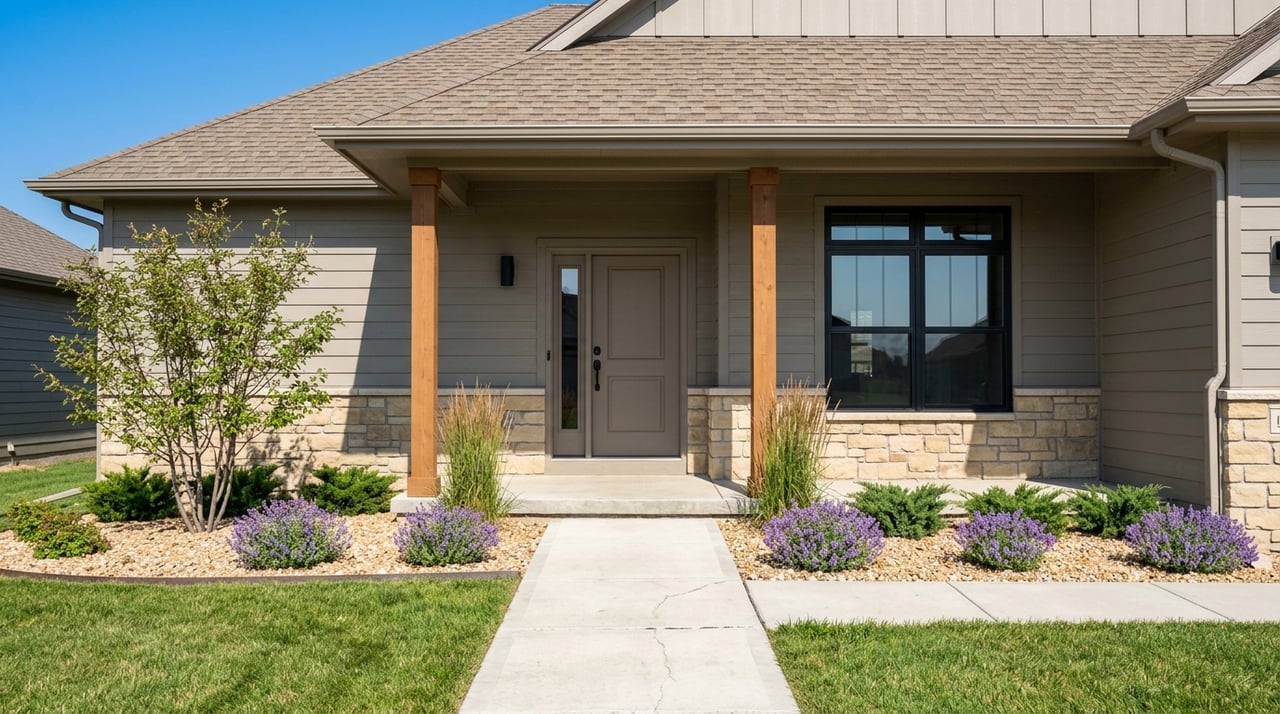
Wondering whether West Denver or a Jeffco suburb fits your life better? It is a smart question, because these areas may sit near each other on a map, but they offer very different housing patterns, commute options, and day-to-day rhythms. If you are trying to balance budget, lifestyle, and long-term fit, this guide will help you compare the tradeoffs clearly. Let’s dive in.
Start With the Big Difference
The simplest way to compare West Denver and the Jeffco suburbs is to think about urban versus suburban systems. West Denver is shaped by older, lower-scale neighborhoods, mixed-use corridors, bus routes, and the W Line. Nearby Jeffco cities like Lakewood, Wheat Ridge, Arvada, Littleton, and Golden tend to emphasize housing diversification, transit-oriented areas, and stronger park and trail networks.
That does not mean one choice is better than another. It means your best fit depends on what matters most to you, whether that is centrality, rail access, outdoor space, home style, or price point.
Compare Housing Style and Setting
West Denver Homes
West Denver generally offers older housing in lower-scale residential areas. Denver planning documents describe neighborhoods in this part of the city as made up largely of single-unit homes, duplexes, and row houses, with major commercial streets woven into the area.
For you as a buyer, that often means smaller lots, more established housing stock, and a more mixed urban context. Denver’s accessory dwelling unit initiative also points to a broader push toward more housing choice in residential neighborhoods.
Lakewood Housing Mix
Lakewood sits in a middle position between city living and a more classic suburb. According to the city’s housing analysis, about two-thirds of new residential permits over the last 20 years were multifamily, with smaller shares going to detached and attached single-family homes.
That matters if you want options. Lakewood’s West Colfax and station areas are also zoned for higher-density, mixed-use, transit-oriented development, so the city offers a wider spread of home types depending on where you search.
Wheat Ridge Housing Options
Wheat Ridge has broadened its housing mix over the last decade. The city highlights detached homes, small-lot product, attached homes, and apartments, with higher-density options identified near Wadsworth, Clear Creek Crossing, and the Wheat Ridge-Ward commuter rail station.
If you want a central location with a range of housing types, Wheat Ridge often lands in a practical middle ground. It also promotes quick I-70 access, which can be a deciding factor for buyers who spend weekends heading west.
Arvada and Littleton Profiles
Arvada reads as more traditionally suburban in this group. Its history reflects postwar ranch homes and subdivision growth, though the current code allows for detached, attached, duplex, multiplex, and multifamily housing.
Littleton also has a suburban profile, but it is actively expanding its housing toolbox. The city’s planning framework emphasizes housing diversification, including missing-middle options, while still focusing on scale, form, and open space.
Golden’s Premium Position
Golden stands apart on cost. Among the cities in this comparison, it has the highest median owner-occupied housing value, which places it in a more premium tier.
If your priority is buying into Golden, it helps to go in with clear expectations. You may be paying more for location, access, and lifestyle rather than simply square footage.
Look Beyond Commute Time
Many buyers assume this choice comes down to commute length alone. In practice, the average commute times across these cities are fairly close, so the bigger question is usually how you want to get around.
Census QuickFacts shows mean travel times of 23.4 minutes in Wheat Ridge, 24.4 in Golden, 24.9 in Denver, 25.1 in Littleton, 25.5 in Lakewood, and 26.1 in Arvada. That is a narrow spread, which means the structure of your commute may matter more than the average number.
West Denver Transit Pattern
West Denver feels central, but your daily experience can vary a lot by corridor. The West Area Plan notes multiple east-west bus routes, north-south routes concentrated on Federal Boulevard, and State Highway 6 as a major commuter connector.
If you like an in-city street grid and want access to several corridors, West Denver can feel connected. At the same time, peak-hour travel may look very different depending on your exact location.
Lakewood and Golden Rail Access
For Lakewood and Golden, the W Line is a major anchor. RTD says the 12.1-mile line runs from Union Station to Jefferson County Government Center, passing through Denver, Lakewood, and Golden, with more frequent service on the Denver-to-Federal Center segment and 15-minute service west of Federal Center.
That can be useful if you want a rail-based commute or simply value having a predictable transit option nearby. It also supports some of the mixed-use growth in station areas.
Arvada and Wheat Ridge Rail Access
Arvada and Wheat Ridge benefit from the G Line. RTD says the line runs between Union Station and Ward Road in Wheat Ridge, serving stations that include Olde Town Arvada, Arvada Ridge, and Wheat Ridge-Ward.
For buyers who want suburban surroundings without giving up rail access, this part of Jeffco can be especially appealing. It offers a different version of convenience than central Denver.
Littleton’s South Corridor Access
Littleton is the southern transit counterpart in this comparison. The city notes that two light rail stations provide easy access to downtown Denver, and RTD places the Littleton terminus on the Southwest Corridor.
If your work, family, or routine pulls you south as often as it pulls you north, Littleton may solve a different kind of commute puzzle than the west and northwest suburbs.
Compare Outdoor Access and Daily Lifestyle
West Denver Outdoor Feel
West Denver’s outdoor story is part of its urban fabric. The West Area Plan highlights neighborhood gulches and the South Platte River as valuable parks and transportation features, while Denver Parks’ long-range planning emphasizes access to parks and gathering places in every neighborhood.
So if you want outdoor access integrated into city living, West Denver brings that in a more urban form. It is less about large suburban open-space systems and more about connected neighborhood resources.
Lakewood and Jeffco Trail Systems
Lakewood and the broader Jeffco corridor stand out for scale. Lakewood says it has 114 parks, 240 miles of trails, and more than 7,400 acres of open space. Jefferson County Open Space says the county system includes more than 58,000 acres, over 275 miles of trail, and 27 parks.
That is a major advantage if trails, open space, and recreation shape your weekly routine. Jeffco also points to regional connections like Bear Creek Trail, Clear Creek Trail, Fairmount Trail, North Fork Trail, Peaks to Plains Trail, and Pioneer Trail.
Wheat Ridge, Arvada, Golden, and Littleton
Wheat Ridge and Arvada both benefit from the regional trail network, but they present it differently. Wheat Ridge emphasizes centrality and mountain access, while Arvada highlights a network of primary trails, on-street bike routes, parks, trailheads, and open space.
Golden is especially trail-focused, with city data showing existing and proposed trails, shared-use paths, pedestrian-only paths, and bike lanes across the city. Littleton also brings strong lifestyle appeal, with more than 59 parks and open spaces, an active trail system, and access to the Rockies within 30 minutes according to the city.
Use Price Tiers as a Reality Check
Housing style and lifestyle matter, but price still shapes your options. A citywide comparison gives you a helpful snapshot of the broad tiers in this group.
| Area | Median owner-occupied home value |
|---|---|
| Denver | $616,000 |
| Lakewood | $574,400 |
| Wheat Ridge | $623,000 |
| Arvada | $632,600 |
| Littleton | $630,600 |
| Golden | $837,700 |
Lakewood is the lowest-priced point in this comparison set. Golden is the clear premium outlier, while Denver, Wheat Ridge, Arvada, and Littleton cluster in a relatively tight band in the low-to-mid $600,000s.
Owner-occupancy rates add another layer. Denver is at 48.8 percent, Lakewood 58.1 percent, Wheat Ridge 54.4 percent, Arvada 75.3 percent, Golden 56.8 percent, and Littleton 61.2 percent. Arvada’s much higher share suggests a more homeowner-heavy profile than central Denver.
A Simple Way to Narrow Your Choice
If you are still deciding, here is the clearest shorthand based on the city plans, transit routes, and Census data.
Choose West Denver If You Want
- Older, lower-scale urban neighborhoods
- More mixed-use surroundings
- A central in-city feel
- Access shaped by bus corridors, street grid connections, and the W Line
Choose Lakewood or Wheat Ridge If You Want
- A middle-ground balance of access and price
- A broader mix of housing types
- Transit-oriented areas with suburban convenience
- Strong park and trail access in the Jeffco corridor
Choose Arvada or Littleton If You Want
- A more suburban, homeowner-heavy profile
- Rail access without living in central Denver
- Traditional neighborhood patterns with growing housing variety
- More separation from the urban core
Choose Golden If You Want
- A premium location
- Strong outdoor and trail access
- A lifestyle-first setting
- A willingness to pay more for that combination
The Best Fit Is Personal
This decision is rarely about picking the “best” city. It is about matching your budget, commute style, and daily habits to the place that supports them best.
A service-first home search starts with clarity. If you compare these areas through the lens of housing stock, mobility, outdoor access, and price, you can make a more confident move and avoid chasing a neighborhood that looks good on paper but does not fit your life.
If you want help sorting through West Denver, Lakewood, Wheat Ridge, Arvada, Littleton, or Golden, Brian Grace can help you compare the details, narrow your options, and move forward with a clear plan.
FAQs
How does West Denver housing compare with Jeffco suburbs?
- West Denver generally offers older homes, smaller lots, and more mixed-use surroundings, while Jeffco suburbs like Lakewood, Wheat Ridge, Arvada, and Littleton tend to offer a broader range of suburban and transit-oriented housing options.
Which Jeffco suburb has the lowest median home value in this comparison?
- Lakewood has the lowest median owner-occupied housing value in this comparison at $574,400, based on the Census figures in the research report.
Is Golden more expensive than West Denver and other Jeffco suburbs?
- Yes. Golden is the price outlier in this group, with the highest median owner-occupied housing value at $837,700.
Which areas have rail access near West Denver?
- Lakewood and Golden are served by the W Line, Arvada and Wheat Ridge are served by the G Line, and Littleton has light rail access through the Southwest Corridor.
Are commute times very different between Denver and Jeffco suburbs?
- Not by much at the city level. The research report shows mean commute times ranging from 23.4 minutes in Wheat Ridge to 26.1 minutes in Arvada.
What areas are best for trails and open space near West Denver?
- Lakewood, Golden, Arvada, Wheat Ridge, and the broader Jeffco corridor stand out for parks, trails, and open space, while West Denver offers outdoor access through features like neighborhood gulches and the South Platte River.
