If you want a Denver-area location that feels established, practical, and easy to settle into, Wheat Ridge often stands out for exactly those reasons. You get a neighborhood-first pace, solid access to parks and trails, and a layout that makes everyday life feel manageable rather than hectic. If you are trying to picture what living here is really like, this guide will help you understand the rhythm, housing, amenities, and tradeoffs that shape daily life in Wheat Ridge. Let’s dive in.
Wheat Ridge has a settled feel
Wheat Ridge feels more like an established west-metro city than a dense urban center. The city had an estimated population of 31,999 in 2024, and Census data shows 84.0% of residents lived in the same house one year earlier, which points to a stable, rooted community.
That settled feel shows up in the pace of daily life. The owner-occupancy rate is 54.4%, and the mean commute is 23.4 minutes, so many residents experience Wheat Ridge as a place where people put down roots while staying connected to the larger Denver metro.
The city also carries a strong sense of local identity. Wheat Ridge traces its roots to the Gold Rush, early farming, and its later Carnation City era, which gives it a history that still shapes how the community sees itself today.
Outdoor access is part of daily life
One of the biggest lifestyle perks in Wheat Ridge is how visible green space is in everyday routines. The city is designated Tree City USA, and Clear Creek runs through the northern third of the city, with much of that area preserved as the Clear Creek Greenbelt.
That means trails, natural corridors, and open space are not just occasional destinations. They are woven into the way many people move through the city, especially in the northern areas and along other park connections like Lena Gulch and Lewis Meadows Park in the southwest.
Wheat Ridge has also continued investing in parks and recreation. The Green at 38th opened in 2025 as the city’s first new park since Hopper Hollow opened in 2014, and the city adopted a Parks and Recreation Pathway in 2025 to guide improvements through 2035.
Public art is part of that experience too. You can find it integrated into civic and park spaces such as Prospect Park along Clear Creek Trail, Discovery Park, Anderson Park, Hopper Hollow Park, City Hall, and the Wheat Ridge Recreation Center.
The recreation center adds year-round convenience
If you want indoor amenities alongside parks and trails, the Wheat Ridge Recreation Center is a major asset. Located at 4005 Kipling, it includes pools, a gym, a climbing wall, racquetball courts, and a fitness floor.
That matters because it supports an active lifestyle in every season. Whether you like to swim, work out, climb, or just want another option close to home, the rec center gives Wheat Ridge a practical layer of convenience beyond outdoor space alone.
Errands revolve around corridors, not a downtown
Wheat Ridge does not center daily life around one traditional downtown district. Instead, its commercial activity is built around key corridors, especially West 38th Avenue and 44th Avenue.
The 38th Avenue corridor is identified by the city as a high-priority redevelopment area and is branded Ridge at 38. The 44th Avenue corridor also plays a major role in daily life and carries the Explore44 identity across the Harlan-to-Ward stretch.
For you as a resident, that usually means errands, dining, and services feel distributed rather than concentrated. You are more likely to build routines around the places you pass regularly, whether you are driving, biking, or walking parts of your route.
This corridor-based layout gives Wheat Ridge a practical, local feel. It may not deliver the single-center experience some buyers expect, but many people appreciate how easy it can be to plug daily stops into the normal flow of the day.
The 38th corridor is a major local anchor
West 38th is especially important to how Wheat Ridge functions. The Lutheran Legacy Campus is the city’s largest employer and serves as a major community anchor along that corridor.
That reinforces the role of 38th Avenue as more than just a road lined with businesses. It is one of the city’s key daily-life spines, where redevelopment, employment, and services all shape the overall feel of the area.
Housing offers older homes and newer infill
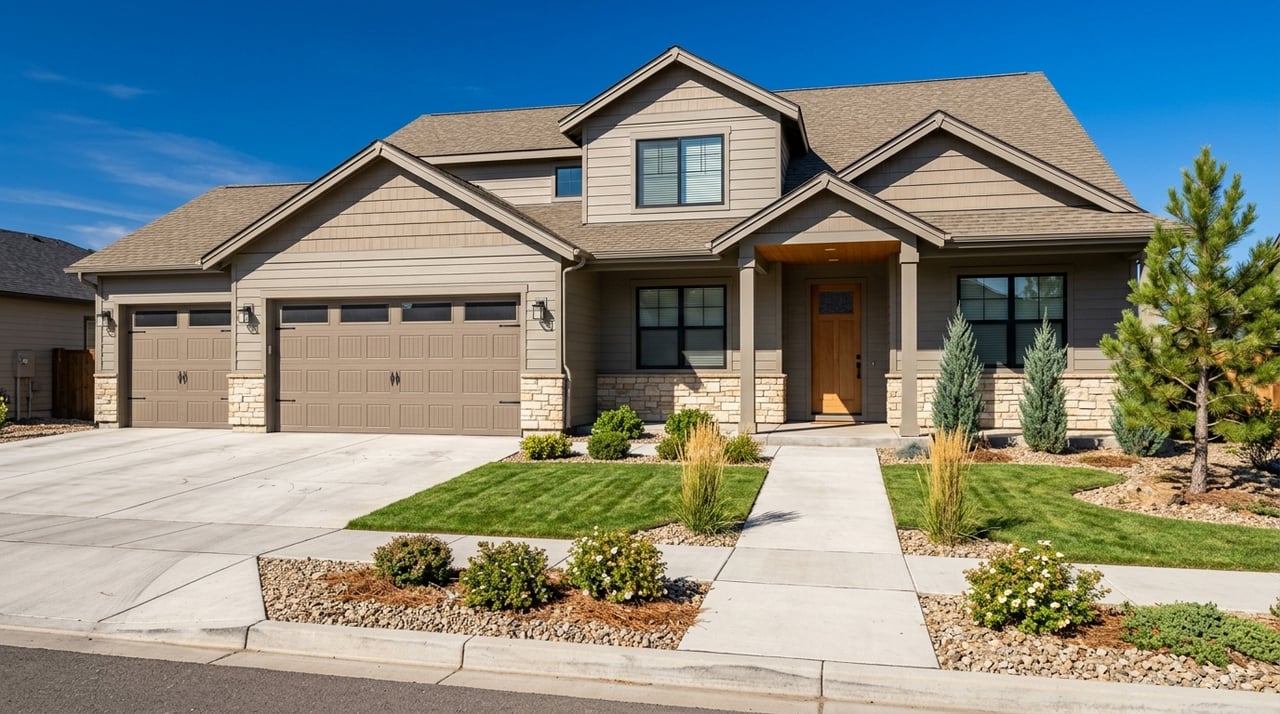
If you are shopping for a home in Wheat Ridge, one of the biggest things you will notice is the variety. The city says its housing stock has diversified over the last decade to include high-end detached homes, small-lot detached homes, attached homes like townhomes and duplexes, and a mix of affordable, workforce, and market-rate apartments.
At the same time, Wheat Ridge still has an older single-family foundation. The city notes that as of 2016, only 12% of single-family units were built in 1980 or later, which suggests that much of the detached housing stock comes from earlier eras.
In practical terms, that often means you will see a mix of classic suburban homes, remodeled properties, and pockets of newer construction. For buyers, that can open up different paths depending on whether you want charm, renovation potential, or a more modern layout.
Examples of newer or more recent residential development include Applewood at Fireside, Quail Hollow, Hilltop Estates, Yukon Grove, Incarnation, Station 53, and Hance Ranch. Together, those projects show how Wheat Ridge blends established neighborhoods with newer product types.
Daily life is connected but not rushed
Wheat Ridge often appeals to people who want access without feeling swallowed by the pace of a more urban setting. The city highlights its I-70 access, and it notes that mountain recreation can be reached in less than an hour.
That location supports a lifestyle many West Denver and Jefferson County buyers are looking for. You can stay connected to central Denver, head west toward the mountains, and still come home to a city that feels residential and lived-in.
Transit also plays a role. The RTD G Line terminates at Wheat Ridge Ward Station and runs 11.2 miles to Union Station, giving residents another option for getting into central Denver.
City planning continues to focus on multimodal connections and reinvestment around 32nd, 38th, 44th, Wadsworth, and the Ward area. That tells you Wheat Ridge is not standing still, even though it still feels established.
There are a few practical details to know
Every city has lifestyle details that are easy to miss until you move there. In Wheat Ridge, one of the most important is that it is a limited-service city.
That means water, fire, sanitation, trash, and utilities are not provided by city government. If you are buying or renting in Wheat Ridge, it is smart to confirm service districts and utility providers by address early in the process.
This is the kind of detail that does not change whether a place is a good fit, but it does affect your planning. Knowing it upfront helps you move in with fewer surprises.
Cost shapes the experience too
Lifestyle is never just about vibe. It also comes down to what it costs to live in a place and how that fits your goals.
The most recent ACS QuickFacts show a median household income of $90,564 in Wheat Ridge. The median owner-occupied home value is $623,000, median monthly owner costs with a mortgage are $2,367, and median gross rent is $1,579.
Those numbers place Wheat Ridge in a category many buyers recognize across the west side of the metro. It can offer a strong mix of location, parks, and housing variety, but your budget still needs to align with the realities of the local market.
So what does Wheat Ridge feel like?
For many people, Wheat Ridge feels grounded, green, and easy to live in. It offers a stable residential base, strong park and trail access, practical commercial corridors, and a housing mix that includes both older homes and newer options.
It is not trying to be the busiest or flashiest part of the metro. Instead, Wheat Ridge tends to appeal to buyers and homeowners who want neighborhood character, everyday convenience, and good regional access in one place.
If you are considering a move in Wheat Ridge, the key is matching the specific area and home style to the way you want to live. That is where local guidance can make a real difference.
If you want a clear, local perspective on buying or selling in Wheat Ridge, Brian Grace offers hands-on guidance built around service, not pressure. Start with a conversation about your home and your goals.
FAQs
What is daily life like in Wheat Ridge, Colorado?
- Daily life in Wheat Ridge tends to feel neighborhood-focused and settled, with a residential pace, corridor-based errands, and strong access to parks, trails, and regional routes.
Does Wheat Ridge have a walkable downtown?
- Wheat Ridge does not revolve around one traditional downtown. Instead, most shopping, dining, and services are spread along corridors such as West 38th Avenue and 44th Avenue.
What kinds of homes are common in Wheat Ridge?
- Wheat Ridge has a mix of older single-family homes, remodeled properties, newer infill housing, townhomes, duplexes, and apartments, giving buyers a wide range of options.
Are parks and trails a big part of living in Wheat Ridge?
- Yes. Clear Creek Greenbelt, Lena Gulch, Lewis Meadows Park, and the city’s broader park system make outdoor access a visible part of everyday life in Wheat Ridge.
Is Wheat Ridge convenient for commuting?
- Wheat Ridge offers I-70 access, a mean commute of 23.4 minutes based on ACS data, and the RTD G Line from Wheat Ridge Ward Station to Union Station.
What should homebuyers check before moving to Wheat Ridge?
- Because Wheat Ridge is a limited-service city, you should confirm utility, sanitation, fire, and other service providers by address as part of your move planning.
